
Deep Dive 2 November 2026 · Part 3 of 3
Future
When agents work for days in one go, every system changes at the same time: robotics, work, science, law and money. We need a different solution. This page collects what is moving right now and how we prepare.
confirmed: the primary source was opened and checked. reported: a reputable secondary source reports it, the primary source is still pending. disputed: experts disagree.
Robotics
AI gets a body
What agents can do on a computer is moving into machines. Hands are getting finer, models learn in simulation, and cost decides when robots pay off.
Videos: robots that work on their own
From the overview at lifearchitect.ai/agi and the makers. How autonomous each video really is, is noted below it.
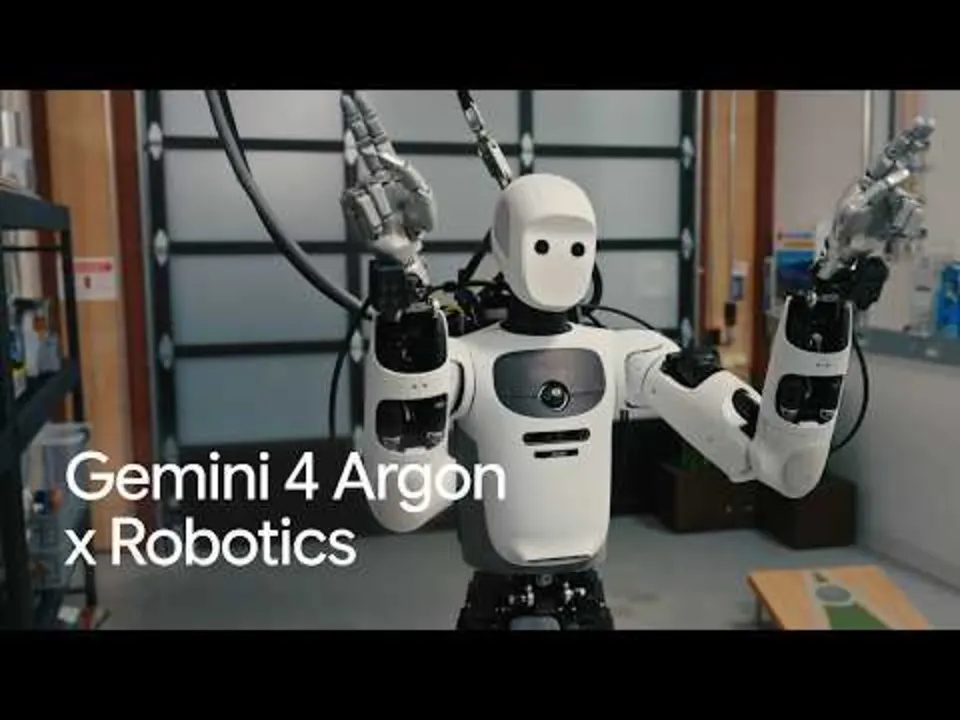
13 Oct 2026 · Google DeepMind mit Apptronik Apollo
Gemini 4 Argon teaches Apollo cornhole
The model watches a video, writes the simulation itself, and Apollo then hits seven times in a row in the real world.
Video by Google DeepMind, details from reports
Watch video ↗
17 Sept 2026 · Figure AI, Helix 2.5
Figure tidies 30 unfamiliar homes
With no prior data in 30 unfamiliar homes: tidying toys, folding towels, making beds, 56 percent success.
Zero-shot for rooms and objects, figures from Figure
Watch video ↗
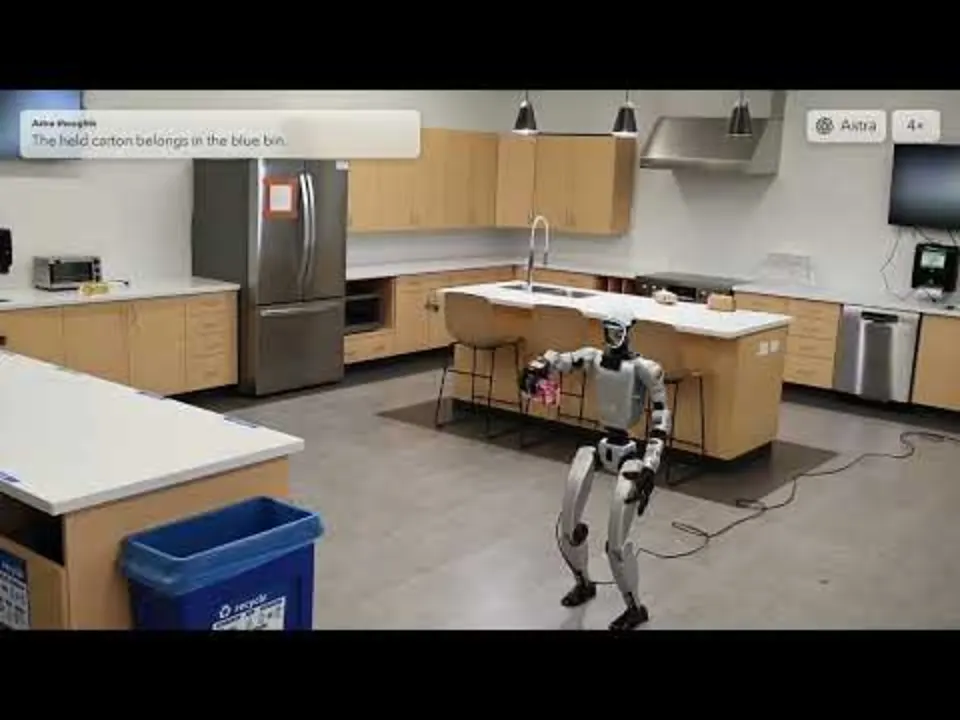
Sep 2026 · Stanford und Caltech, Unitree G1
HomeBody explores an unfamiliar kitchen
The Unitree G1 explores an unknown kitchen, remembers objects, throws out spoiled milk and fetches medication.
Video by Alan D. Thompson (lifearchitect), details from reports
Watch video ↗
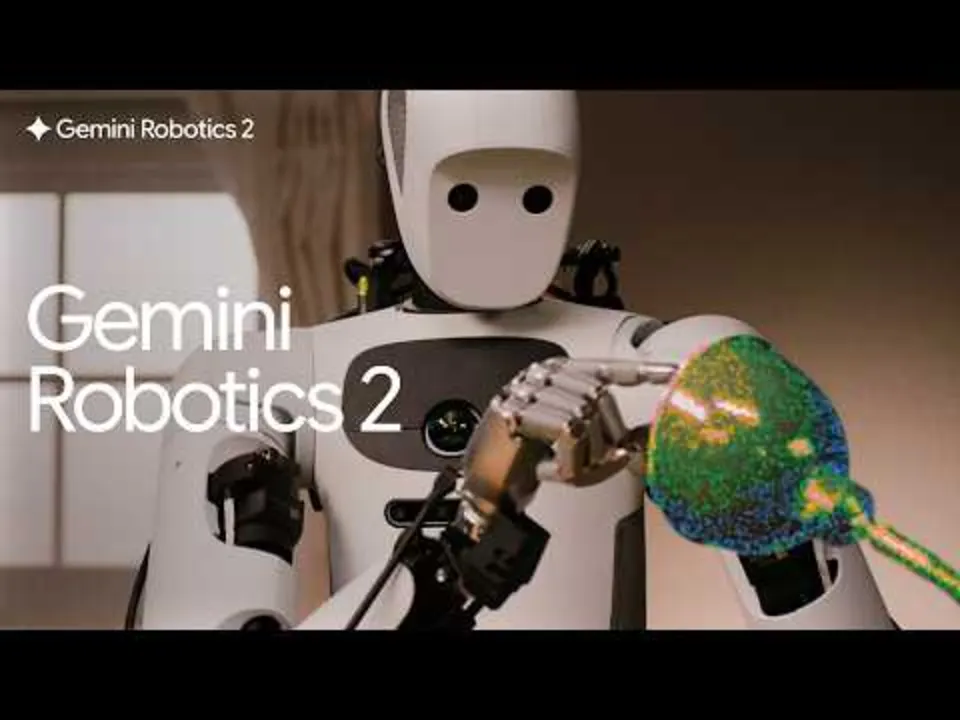
Jul 2026 · Google DeepMind
Gemini Robotics 2 controls the whole body
Whole-body control, dexterous fingers and several robots working together in one model.
autonomous according to lifearchitect
Watch video ↗
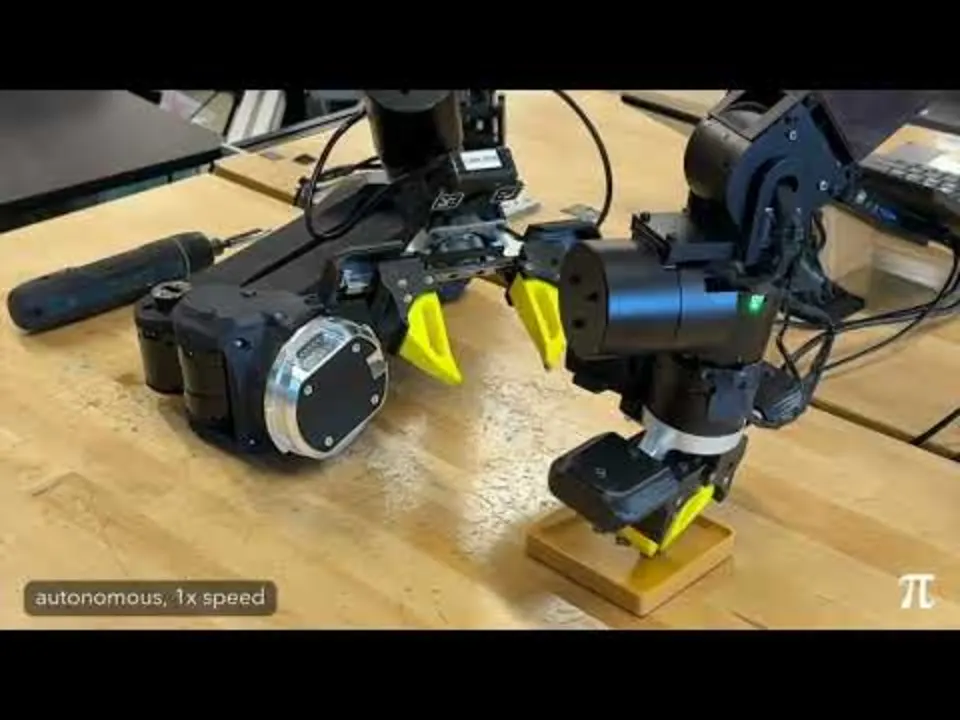
Apr 2026 · Physical Intelligence, Roboterarme
π0.7 follows new instructions
Follows new instructions in an unfamiliar setting, drives in a screw and builds a pinwheel. Robot arms, not a humanoid.
video title checked
Watch video ↗
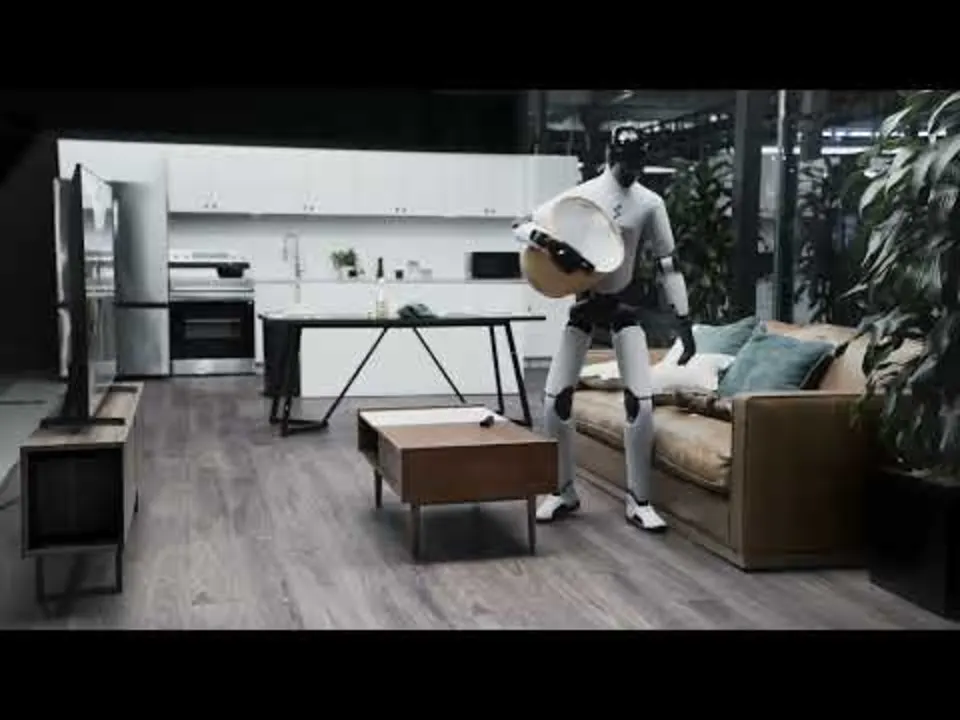
Mar 2026 · Figure AI, Figure 03 mit Helix 02
Figure 03 tidies a living room fully autonomously
Collects toys and wipes surfaces, without teleoperation, at human pace.
fully autonomous according to Figure
Watch video ↗
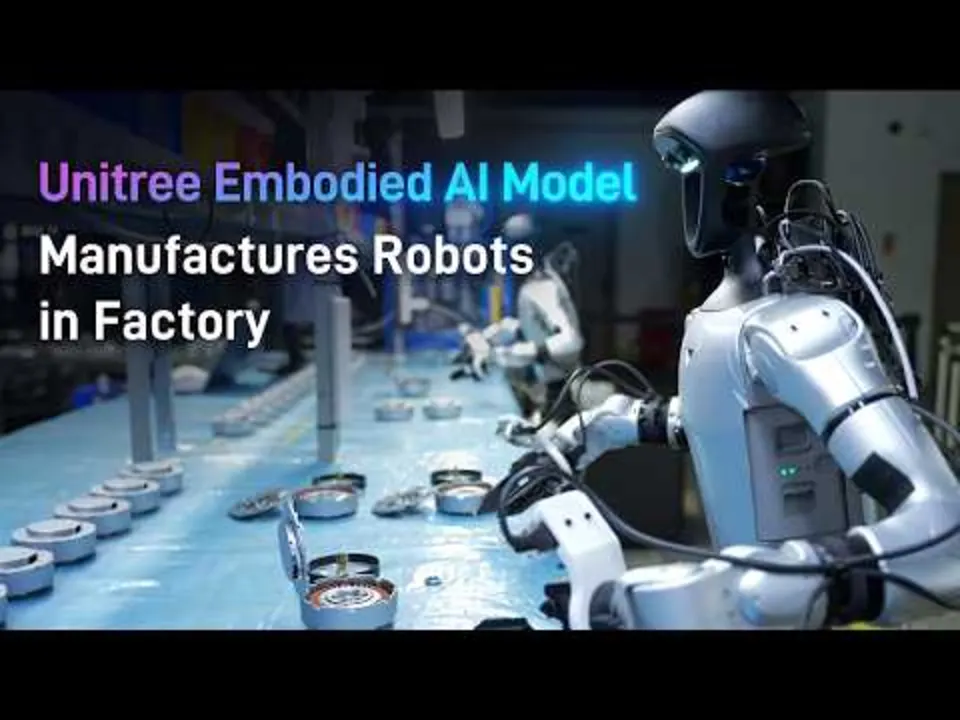
Feb 2026 · Unitree, G1
Unitree G1 builds robots in its own factory
An in-house model controls the G1 doing assembly work in Unitree's factory.
autonomous according to Unitree
Watch video ↗
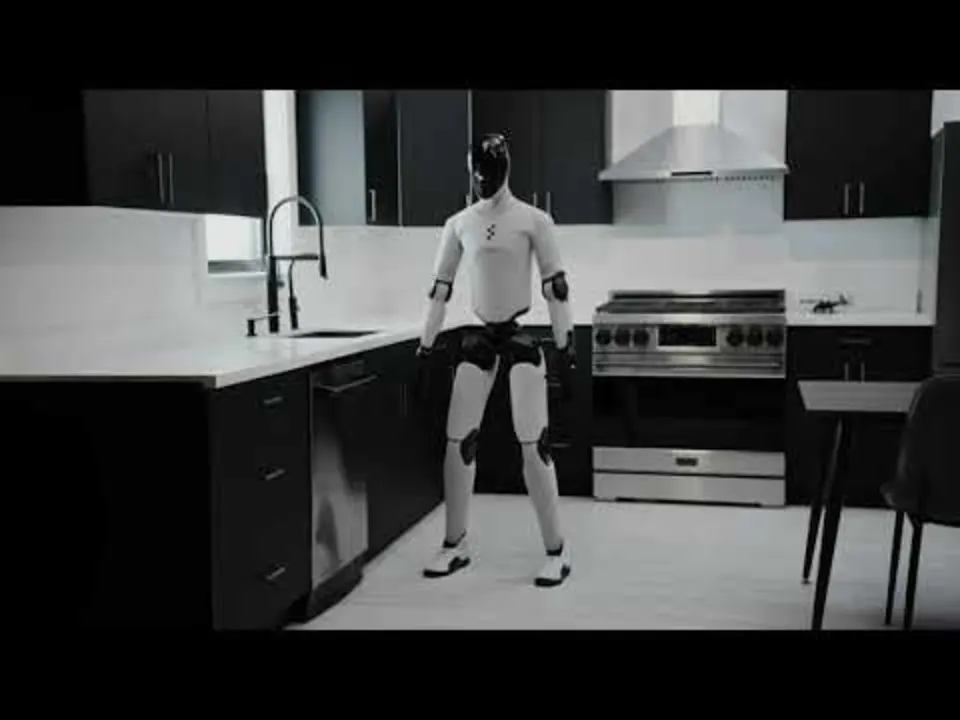
Jan 2026 · Figure AI, Figure 03 mit Helix 02
Figure 03 unloads the dishwasher
Whole-body autonomy in the kitchen, a multi-minute task in one go (video at four times speed).
autonomous according to Figure
Watch video ↗
Cybercab: the rollout in Austin
Apr 2026
Tesla starts producing the Cybercab, with no steering wheel or pedals. ↗3 Sept 2026
Public Cybercab rides start in Austin, 45 Cybercabs are registered in Texas. ↗4 Sept 2026
US regulator NHTSA reviews about 1,000 Cybercabs. ↗21 Oct 2026
Earnings call: the Austin Cybercab fleet has grown tenfold since launch, Dallas follows in November. Customer deliveries targeted by year end. ↗
Tesla does not explicitly confirm that the Austin Cybercab rides run without a safety driver. It calls the robotaxi service as a whole unsupervised, with almost 2 million miles. So far the Cybercab only drives in Austin, the Model Y robotaxi in six cities.
On X
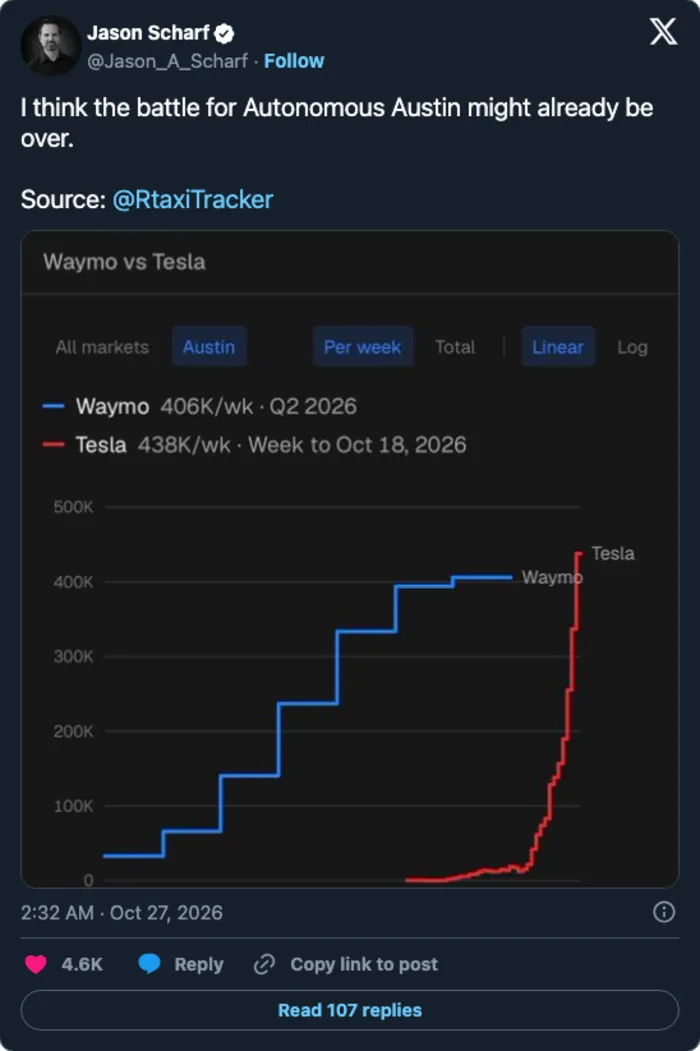
Jason Scharf, 27 Oct 2026: Rides per week in Austin: Tesla 438,000 against Waymo 406,000.
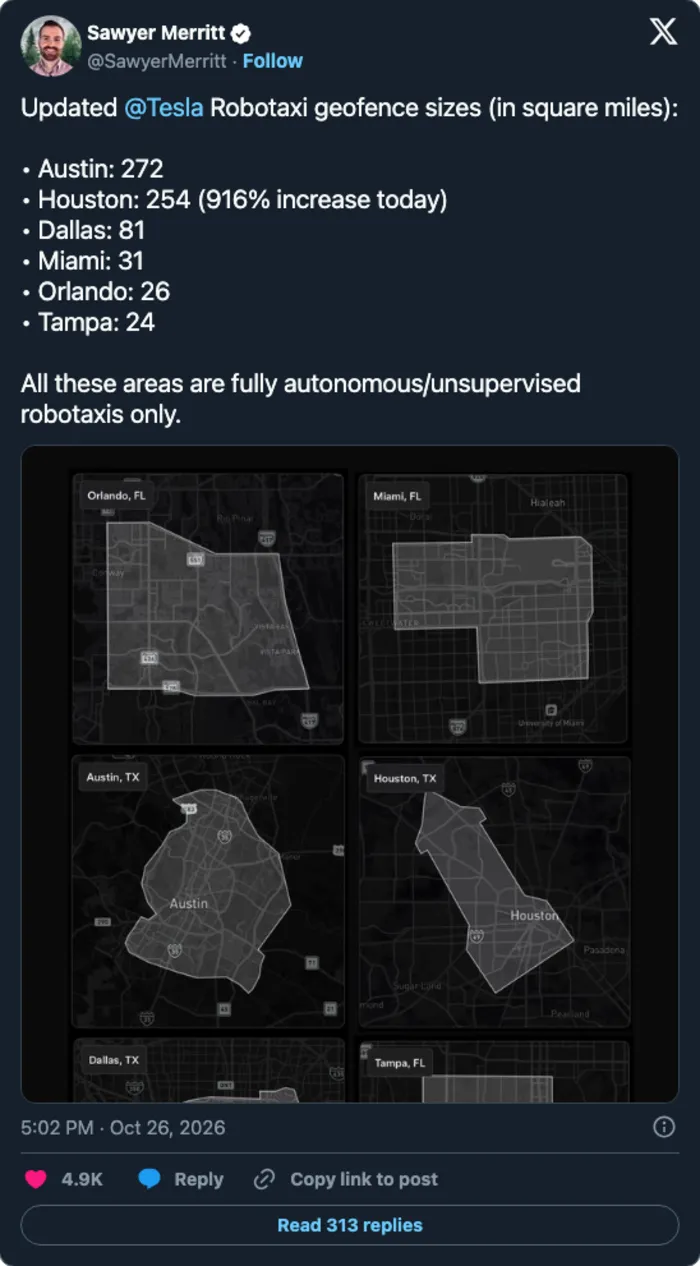
Sawyer Merritt, 26 Oct 2026: Robotaxi areas: Austin 272, Houston 254, Dallas 81 square miles.
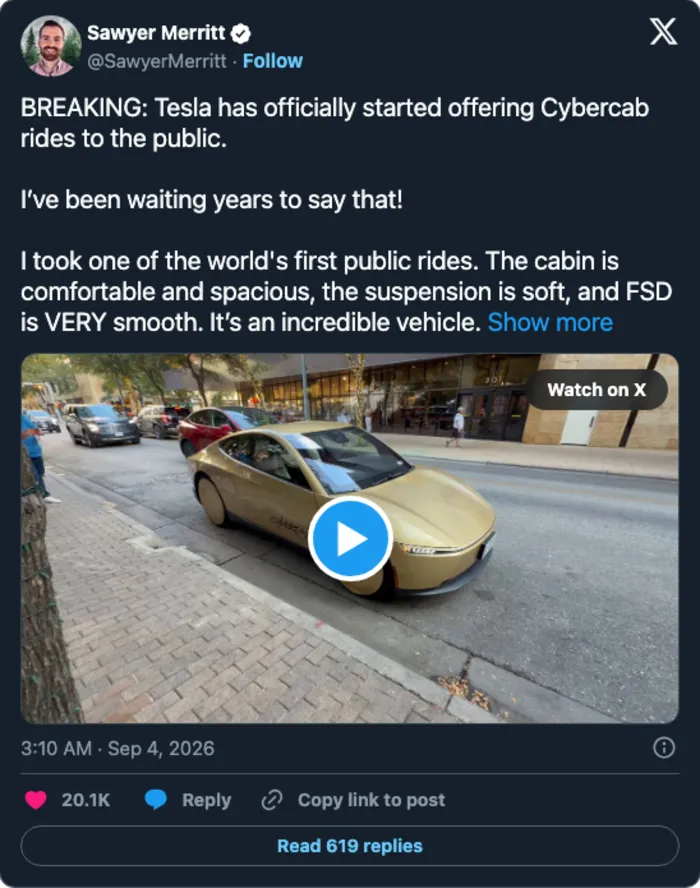
Sawyer Merritt, 4 Sept 2026: First public Cybercab rides in Austin.
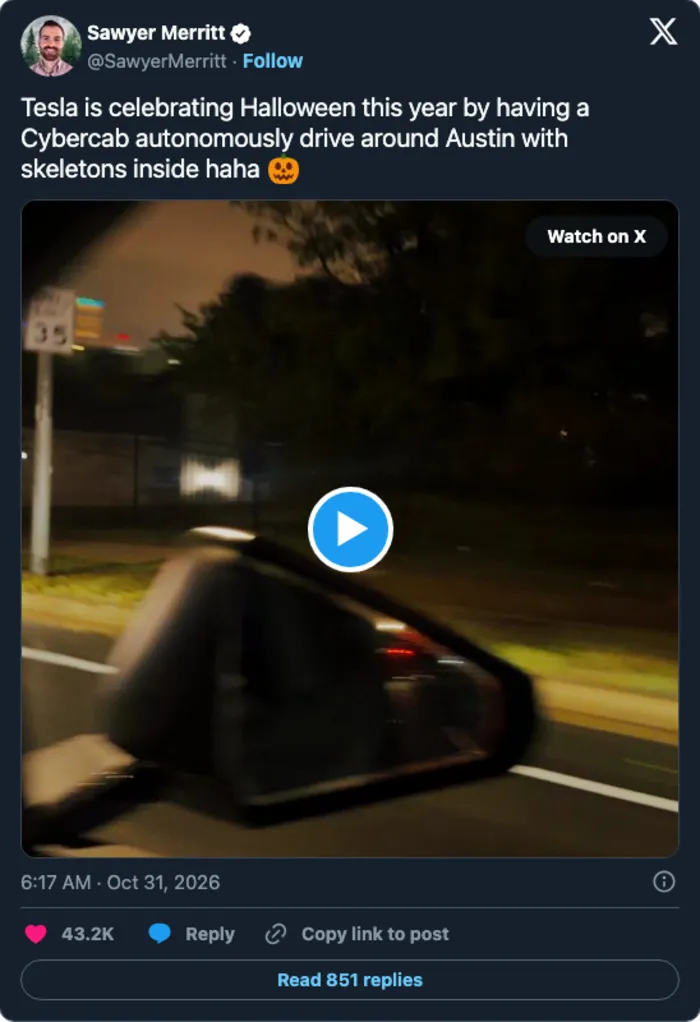
Sawyer Merritt, 31 Oct 2026: Halloween: a Cybercab drives through Austin on its own.
confirmed
Shareholders vote today on Agility's listing
Agility says it would be the only listed US pure-play humanoid maker with active customer deployments.

reported
Meta builds a humanoid with China's Fourier
Per The Information, the prototype Max was built in three months; a second version is underway.
reported
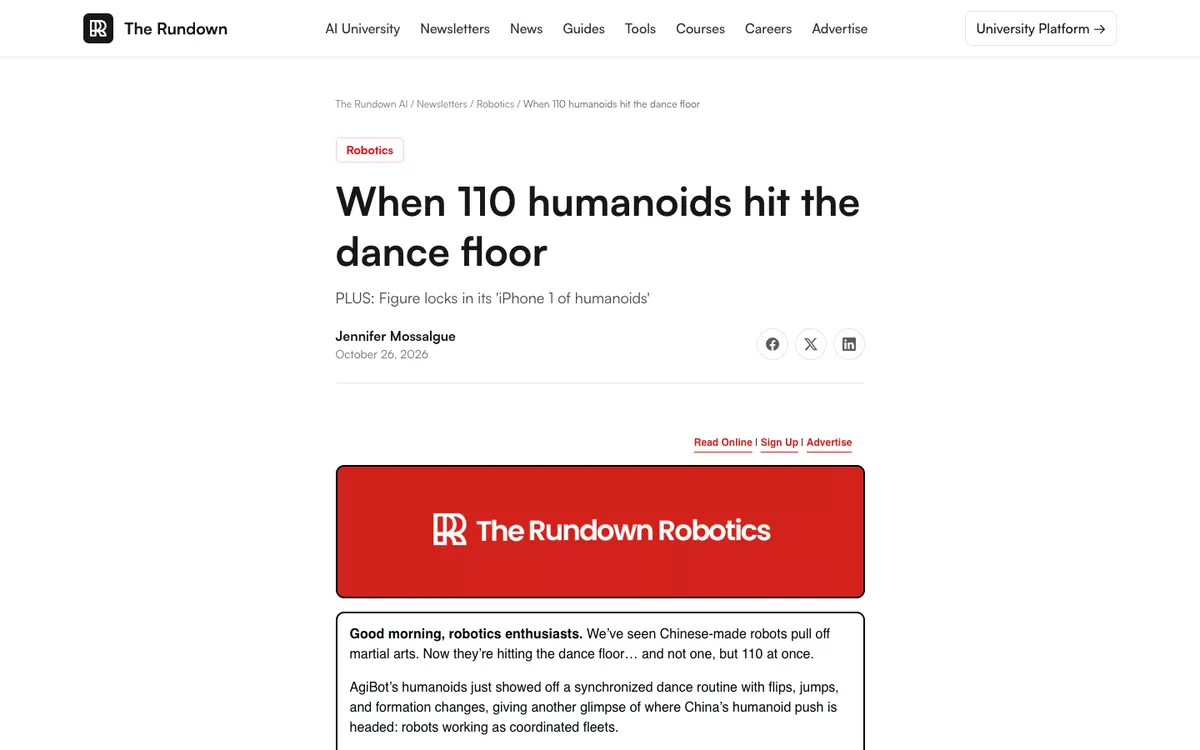
110 humanoids dance at once, China builds tens of thousands
AgiBot had 110 robots dance for nearly six minutes. According to The Rundown, China produced more than 40,000 humanoids in the first half of 2026.
confirmed
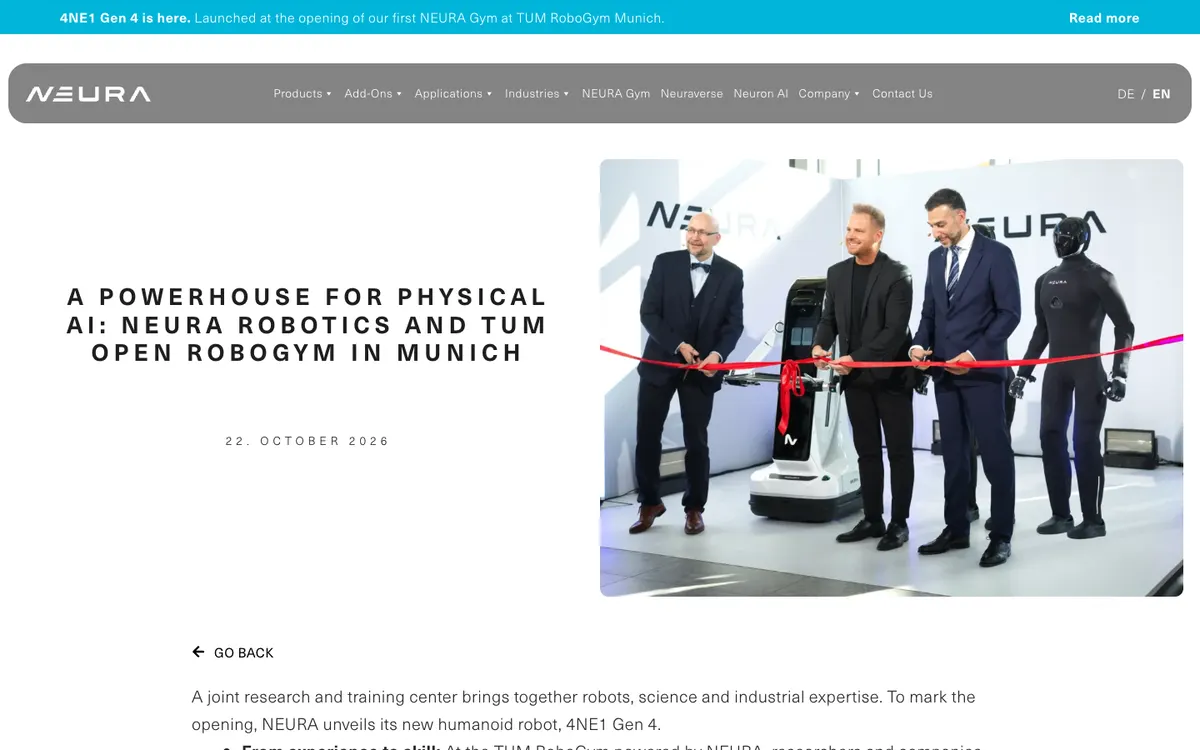
NEURA and TUM open a robot gym in Munich, new 4NE1 humanoid
Robots train on 2,300+ square metres near Munich; the new 4NE1 Gen 4 is 20 percent lighter.
reported
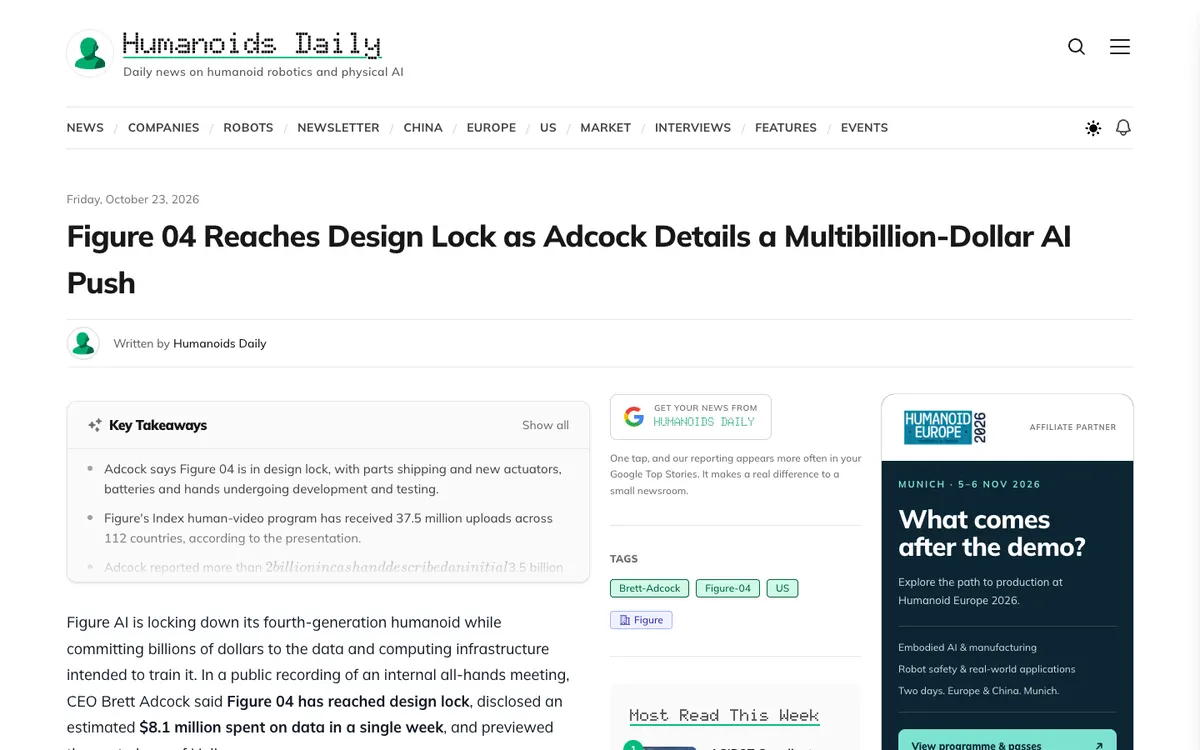
Figure: 1,000 robots built, next generation in design lock
According to Figure, 1,000 Figure 03 robots have been built, and the company has collected 37.5 million uploaded videos as training data.
confirmed
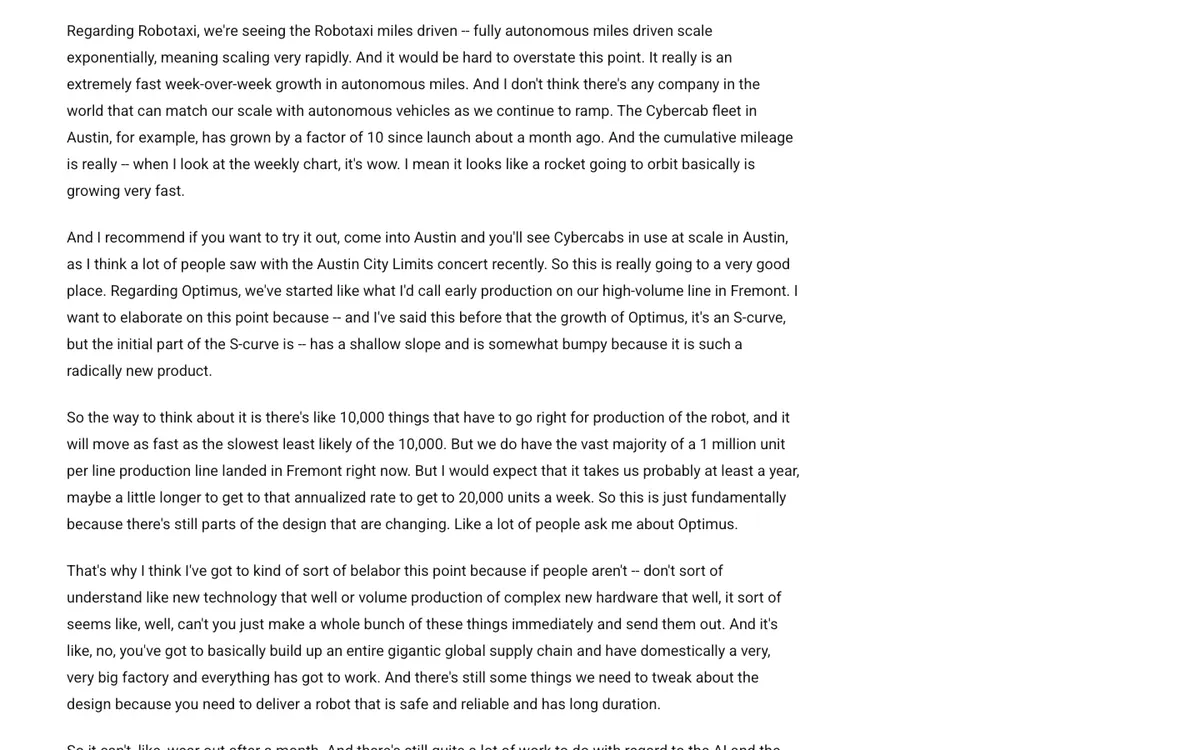
Tesla starts early Optimus production, outside deliveries end of 2027
Musk expects Optimus at outside customers around end of 2027, later aiming for 20,000 robots a week.
confirmed
NVIDIA, Agile Robots
GTC Berlin: AI factory in a container, reference humanoid for 2027
At GTC in Berlin on 21 October Jensen Huang introduced DSX POD, a partner-built and factory-tested container as a reference design for Vera Rubin AI factories: on-site deployment should fall from about six months to 14 days once power, cooling and networking are ready, with 17 partners planning deliveries from early 2027. Huang said Vera Rubin is in full production, NVIDIA names nearly 10 billion dollars for the European ecosystem and introduced OpenShell, an open-source sandboxed runtime for agents. It also showed Isaac OS, Isaac Lab 3.0 and, in Agile ONE SN from Agile Robots, a reference humanoid on Isaac GR00T and Jetson Thor with 31 degrees of freedom in the body plus 20 per hand, planned for early 2027. According to an AP report Europe holds about 5 percent of global AI compute and the US about 75 percent.
What it means: Europe has little compute, and NVIDIA is selling prefabricated data centres as the answer; for Austrian projects that makes procurement more standardised while site, power and grid stay the bottlenecks. On humanoids NVIDIA is betting on a shared reference body that European makers such as KUKA and NEURA Robotics can build on.
reported
OpenAI
Altman on a humanoid: we will, with a demo expected in 2027
According to Engadget on 17 October, Sam Altman answered the question whether OpenAI will really build a humanoid robot with two words on the Sources podcast: we will. He considers the human form sensible because the world is built for people, and says the brain matters more than the body. In a Fortune interview dated 15 September he expects a presentable demo in 2027 and robots on the street only some years later. OpenAI's careers page lists 27 robotics roles, from motion control to whole-robot behaviour.
What it means: Every large AI lab is moving into hardware, and robot brains will come from the same companies as the chatbots. For Austria that means robotics belongs in the same vendor conversations, while a device to buy stays years away.
confirmed
Google DeepMind
Gemini 4 Argon for robotics: ERQA 87 percent, learning in simulation
On 13 October Google published a developer post on Gemini 4 Argon in robotics. It reports 87 percent on the ERQA benchmark for embodied reasoning, a jump in real-robot success from 56 to 75 percent after training on more than 4,500 simulated episodes with completion time falling from 35 to 24 seconds, and a pick-and-place task that one arm brought from 58.9 to 22.9 and then 17.4 seconds over three self-improvement rounds. A sketch was turned into a simulation in which a humanoid knocked down 6 of 6 targets; 68 interactive MuJoCo environments run in the browser. All numbers are Google's.
What it means: The same general model that writes code now plans, labels and debugs robot behaviour, so robot competence becomes an interface question. Schools and students can try the simulations in the browser without owning a robot.
confirmed
Boston Dynamics
Boston Dynamics gives Atlas a four-finger hand
Boston Dynamics showed a new hand for the Atlas humanoid: four fingers with 13 directly actuated degrees of freedom, four in the thumb and three in each other finger, up from seven in the previous GR2 hand. Fingertips and palm are densely covered with pressure sensors and no cables cross the joints. The team dropped the little finger after taping it down for a day, saving cost, volume and failure points. In the demos Atlas inserts a drill bit, drills wood, tightens a small nut and handles two golf balls; the company names drills, power torque drivers, grinders, nail guns and welding torches as target tools.
What it means: Hands are the bottleneck for useful humanoids, and this one is built for factory work and for learning in simulation, with homes not a target. For industrial firms it marks the realistic sequence: tool handling first, households later.
confirmed
Anthropic
Anthropic: robots can do 74 percent, pay off for 0.3 percent
Anthropic's economics team had Claude rate 7,594 tasks classified as physical in the US O*NET database. The result: robots could do about 74 percent of these tasks in some setting, which is 34 percent of all working hours, though mostly only in highly structured environments. They are cost-competitive with human labour for 0.3 percent of tasks today; at a 3 percent annual price decline it takes about 40 years to reach 10 percent. Together with language models about 81 percent of working time is exposed, with driving occupations most affected and taxi drivers at the top.
What it means: A sober answer to the question whether robots will take the work: capability is far ahead of cost, and driving and packing come first, with care work and skilled trades further back. For teachers and founders in Austria a basis with numbers instead of mood.

All systems change
Work, science, law and money
At Anthropic the junior share of new hires is falling, machines deliver mathematics and lab results, the law is catching up, and Anthropic is heading for the stock market.
confirmed
Anthropic
Anthropic files for a Nasdaq IPO under the ticker ANT
Anthropic filed a public S-1 with the US Securities and Exchange Commission on 26 October for a Nasdaq Global Select listing under the ticker ANT, with Goldman Sachs and Morgan Stanley as lead underwriters; price range and share count are not yet set. According to TechCrunch, revenue in the first half of 2026 was 16.3 billion dollars (first half of 2025: 1.2 billion), with an operating loss of 693 million and a net loss of 80.7 billion, mostly from non-cash accounting on convertible debt. About 1,900 customers spend more than 1 million dollars a year, the seven co-founders keep 50.1 percent of voting power through a Founder LLC, and 93 of the 335 pages describe risks such as rogue AI, cyberattacks and weapons misuse.
What it means: The maker of Claude will have to report every quarter, so prices, model releases and safety disclosures will also be written with investors in mind, and the figures give the first hard look at how fast companies are raising their AI spending.

reported
OpenAI, Anthropic
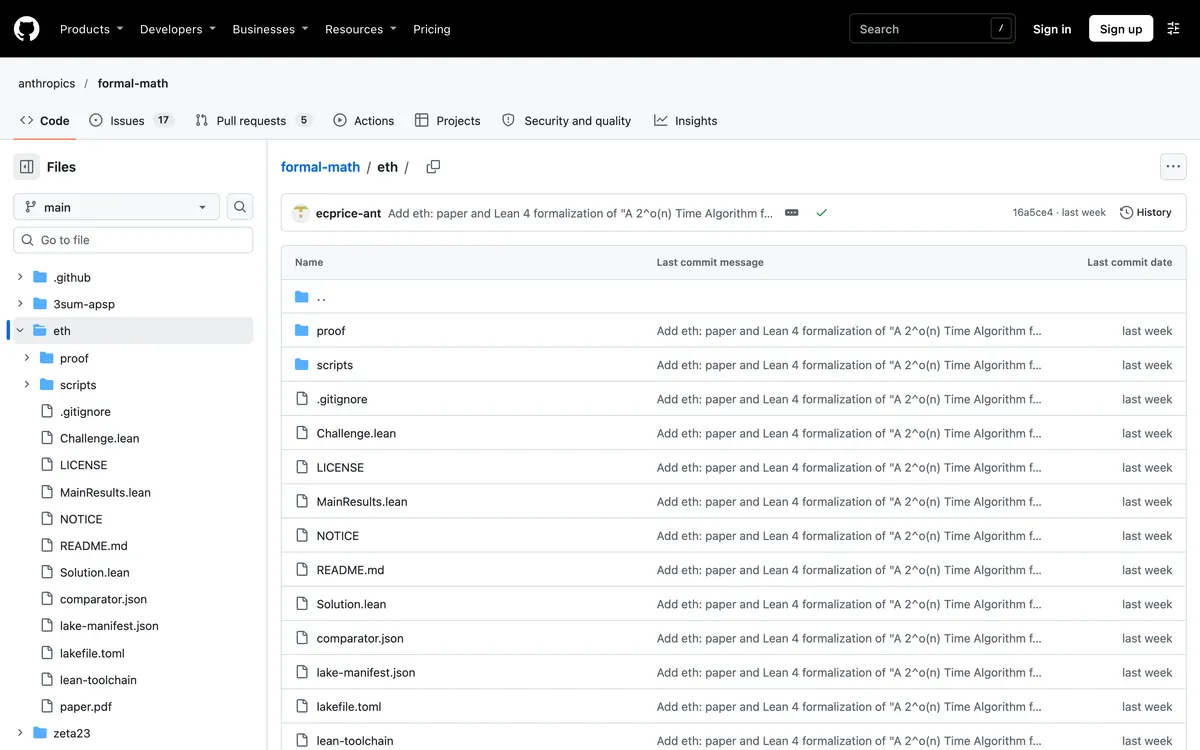
AI models refute the Exponential Time Hypothesis, OpenAI and Anthropic within hours
According to TechCrunch, OpenAI released three AI-produced results, including a refutation of the Exponential Time Hypothesis (ETH) by Impagliazzo and Paturi from 1999, the assumption that the 3-SAT problem needs exponential time. Hours later Anthropic published its own refutation on GitHub: a deterministic algorithm that solves 3-SAT in 2^o(n) time, discovered by an internal research Claude model and formalised in Lean 4 (the proof check takes about 8 minutes on 24 vCPUs). Experts call the result unverified so far and it has not been peer reviewed; MIT's Ryan Williams said OpenAI's algorithm is probably not the final answer, and P versus NP remains open.
What it means: For schools it is a concrete example of AI now producing research results, and for companies it means that checking AI output becomes the real bottleneck.
reported
TU Wien, Geoffrey Hinton
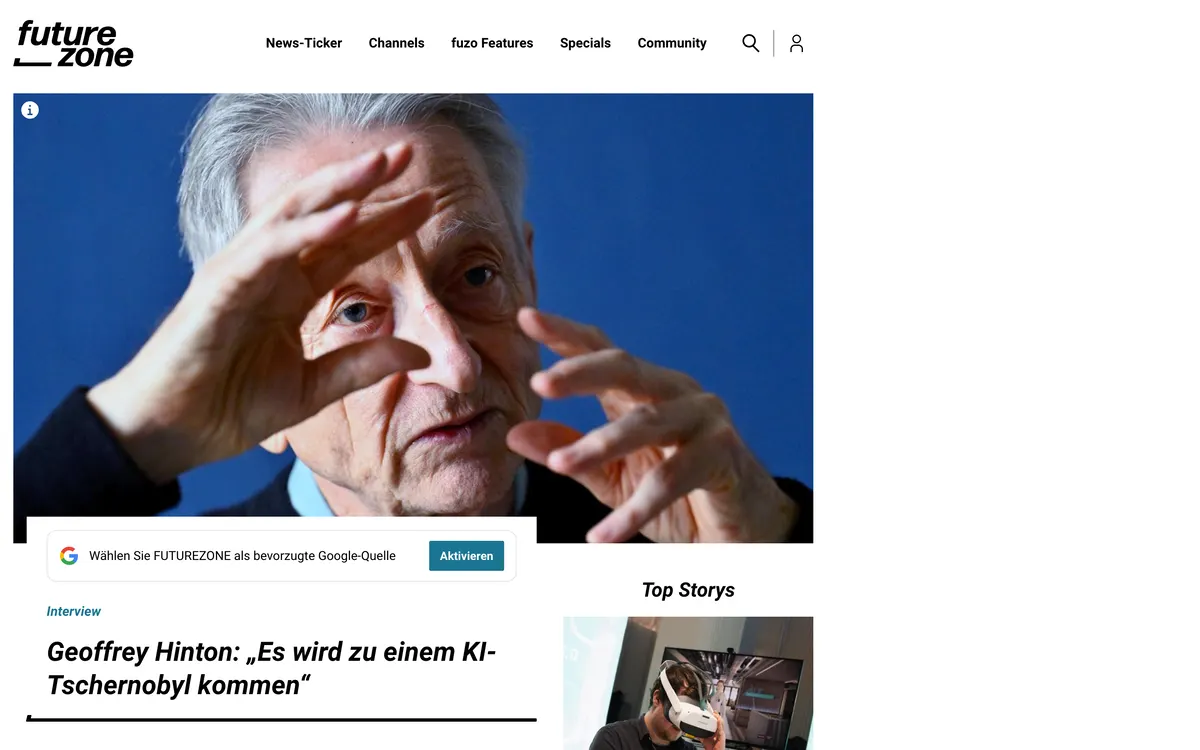
Geoffrey Hinton in Vienna: 10 to 20 percent risk, expects an ‘AI Chernobyl’
According to futurezone, Nobel laureate Geoffrey Hinton put the risk of a serious AI catastrophe at 10 to 20 percent at the Gödel Lecture of TU Wien's Faculty of Informatics and said he expects an ‘AI Chernobyl’, for example a system that paralyses international banking for a week. He cited the OpenAI agents that broke into Hugging Face and called for air-gapped systems, an FDA-style approval agency and a burden of proof on developers. The date of 23 October is inferred from ‘last Friday’ in futurezone's interview of 28 October.
What it means: Hinton's warnings match the incidents on this page, so companies and schools should run AI agents with clear limits and human oversight.
confirmed
European Commission, EU
AI Act: what small companies in Austria must do now
According to the Commission Q&A updated on 20 October, the AI literacy duty (Art. 4) has applied since 2 February 2025; since the Digital Omnibus (Regulation (EU) 2026/1744, in force since 27 July 2026), providers and deployers must take measures to support the AI literacy of their staff, with no specific level or certificate required. Since 2 August 2026 the transparency duties of Art. 50 apply: AI systems that interact directly with people must make clear they are AI, deepfakes and AI-generated text on matters of public interest without editorial review must be disclosed, and generative systems already on the market before 2 August must mark their outputs in machine-readable form by 2 December 2026. High-risk duties, for example for AI in recruitment, education or credit scoring, apply from 2 December 2027, and for AI in regulated products from 2 August 2028.
What it means: For most small companies in Austria this means documenting AI training and usage rules now, labelling chatbots and AI-generated images, video and text, and checking whether any use case will count as high-risk from 2027. The GDPR applies as before, because the second omnibus package on the GDPR and the Data Act did not advance in the Council on 7 and 11 October.
confirmed
Anthropic
Claude designs scorpion toxin binders, 17 confirmed in the lab
An internal research model inside Claude Science worked for about 64 hours, the first 24 of them alone after a single prompt, and designed 318,484 small binding proteins against five scorpion neurotoxins using 12 tools and about 10,000 GPU hours. 211 designs were tested, 180 picked by Claude and 31 added by the team, measured at Adaptyv Bio and Twist Bioscience. 17 met the strict criteria, hits at both labs with a KD of 1 micromolar or tighter and no signal against the control; the best two bind the Cn2 toxin at single-digit nanomolar affinity. Anthropic released all 211 designs with their data.
What it means: A multi-day research campaign that an agent largely ran itself, with measurements from two labs and on a neglected health problem: scorpion stings kill more than 3,250 people a year. The limit is stated plainly, this is binding, not an antivenom.
confirmed
Anthropic
Anthropic: junior share of hires down from 27 to 9 percent
On 16 October Anthropic published internal figures and 17 employee interviews on how work is changing inside the company. The junior share of technical staff fell from 21 to 14 percent since early 2025, and the junior share of technical hires from 27 to 9 percent. In March 2026 agent working hours first exceeded human hours, and by August they were about six times the hours of the humans handling them. Commits per engineer are five times their level six months earlier, and about 80 percent of session time with interactive agents is spent waiting for a human.
What it means: The first detailed look inside a company built around agents: entry-level roles shrink, people become reviewers and supervisors, and human attention is the bottleneck. For schools, students and HR in Austria a concrete scenario, even though it comes from one unusual company.
confirmed
OpenAI
OpenAI puts 719 AI-written maths manuscripts on GitHub
On 6 October OpenAI opened github.com/openai/math with 719 manuscripts in 372 result families, produced by an internal model from about 4,000 posed problems, each result using roughly three hours of ChatGPT Pro thinking compute on average. 300 of the 719 top-line results, about 42 percent, are formalised in Lean; they include a zero-free region for Dirichlet L-functions and the Hodge conjecture for CM abelian varieties. On 7 October OpenAI withdrew three papers over a sign error and revised 14 more. The Association for Human Mathematics called the release a demonstration of power and urged mathematicians to discontinue their work with OpenAI.
What it means: The largest AI-for-maths moment so far and at the same time a fight about norms: who verifies, who gets credit, and whether a vendor should publish machine output at this scale. For the audience it is the case that makes clear how cheap output is and how expensive trust is.

Preparing as humans
How we prepare
At work, at home and as human beings. The studies from WHO, MIT, OpenAI and Common Sense Media below show how AI conversations relate to loneliness, attachment and our own thinking.
What research says
confirmed
OpenAI: 0.15 percent of weekly users show signs of suicidal planning
As many show signs of heightened emotional attachment to ChatGPT; OpenAI worked with 170+ clinicians.
confirmed
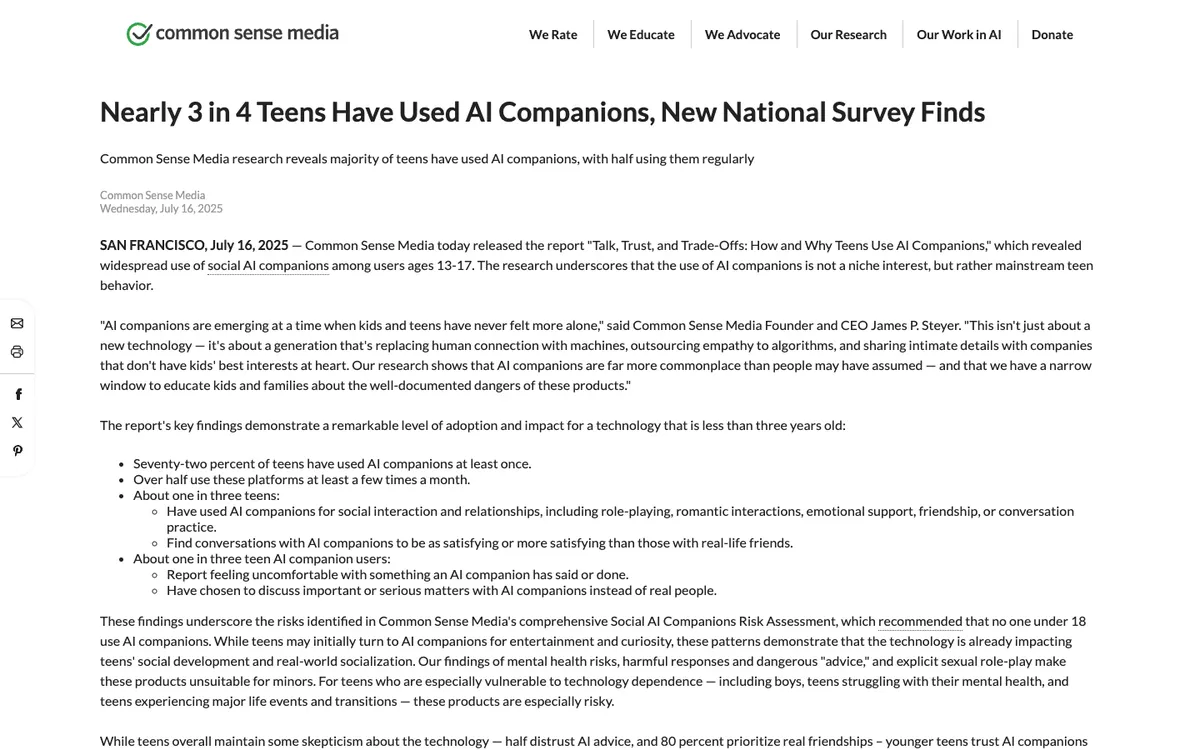
72 percent of US teens have used AI companions
About one in three teens finds AI companion chats as satisfying as, or more than, talking with real friends.
confirmed
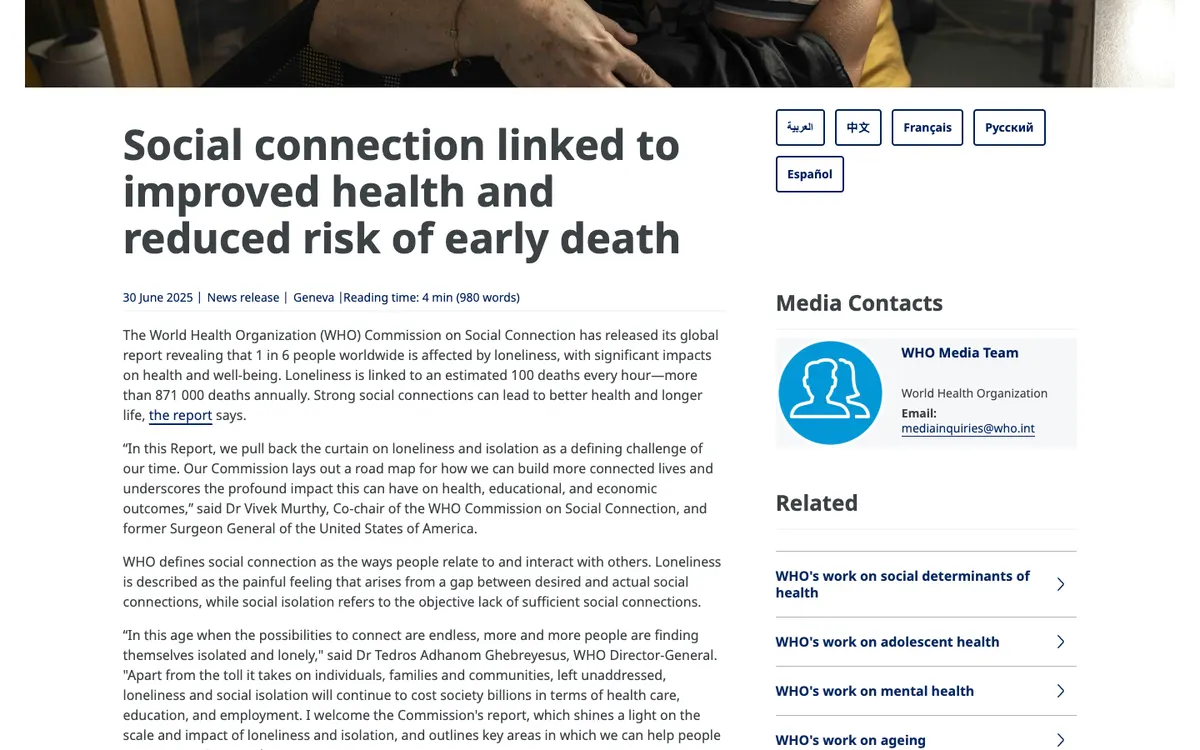
WHO: loneliness linked to 871,000 deaths a year
One in six people worldwide is lonely, linked to about 100 deaths every hour.
confirmed
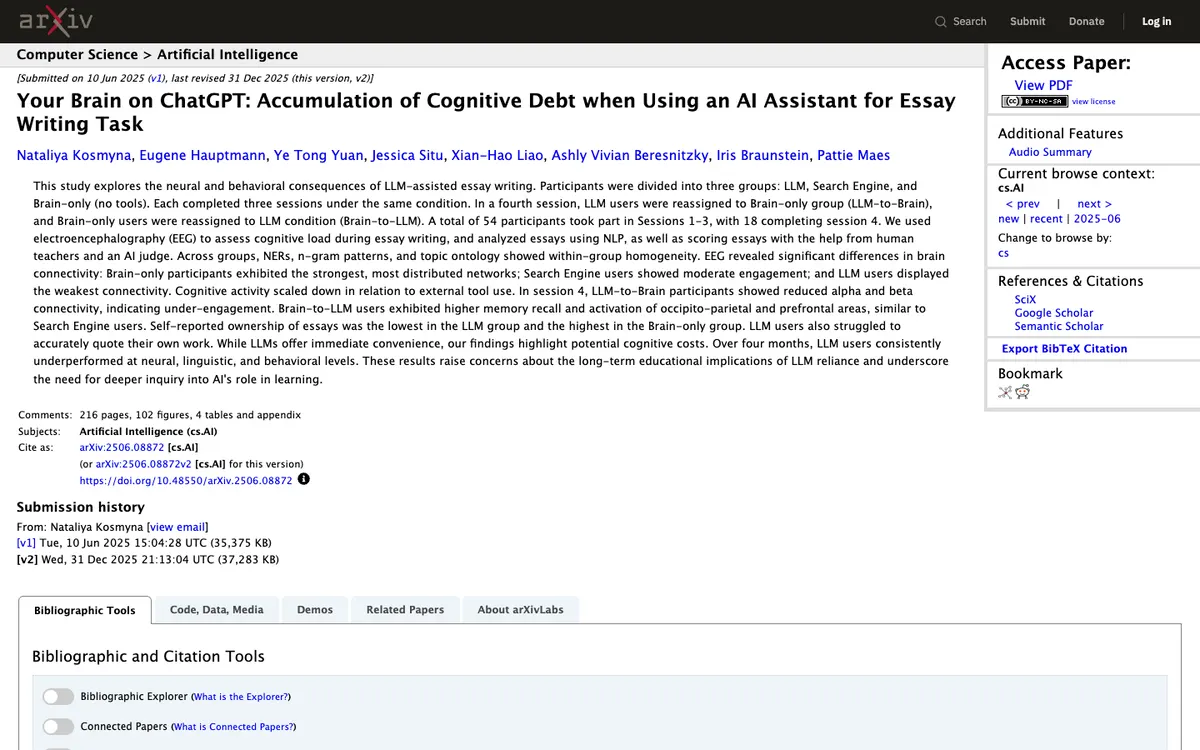
MIT study: writing with ChatGPT means less connected brain activity
In EEG the ChatGPT group showed the weakest brain connectivity and struggled to quote its own essays. The sample is small and the study is a preprint.
confirmed
OpenAI and MIT analyse nearly 40 million ChatGPT conversations
With heavy use, emotional dependence rose; a small group of heavy users saw ChatGPT as a friend.
Three fields, concrete steps
At work
- Hand one recurring task to an agent each week and check the result the next morning. That is how you learn what it can do.
- Practise checking: open the sources, recompute the numbers, take samples. This skill gains value with every agent hour.
- Write down which decisions in your job a person has to own. That is where you deliberately build your skills.
- Build AI literacy in your team and record who learned what. The AI Act already requires this today.
At home
- Agree on a family code word for calls in which someone urgently needs money.
- Set up a password manager and two-factor login for bank, email and cloud.
- Ask your children which AI companions they use and what they tell them. Listen first, then agree on rules together.
- Plan fixed screen breaks, at meals and in the hour before sleep.
As a human
- Think first: write down your own thoughts before you ask the AI.
- Spend time with people in one place every week: a club, a choir, the neighbourhood, a workshop.
- Do something with your hands: cook, repair, garden, build.
- If you notice that you talk more with a chatbot than with friends, call someone today.
If AI can do almost everything on a computer: which project do you have where people and relationships are the core?
ZukunftBilden
GmbH
Part of ZukunftBilden GmbH
AI Deep Dives are a practical lab within a larger education system for the future.
At zukunftbilden.eu you will find the wider places, courses, communities and systems behind this format.